Wondering 'How do I know if my lawn needs aeration?' Learn the top signs of soil compaction, like water runoff and thinning grass. We'll show you how to...
What Is Grub Control?
 If you’ve noticed your once-lush lawn developing mysterious brown patches, you might be asking, what is grub control? Essentially, it is a targeted approach to managing and eliminating lawn grubs, which are the destructive, C-shaped larvae of various beetles. These pests feed on the root systems of your grass, causing significant damage that can ruin the appearance and health of your turf. Therefore, understanding the problem is the first step toward a solution.
How Can You Tell If You Have a Grub Problem?
Identifying a grub infestation early is key to minimizing damage. Consequently, you should be on the lookout for several tell-tale signs. A lawn suffering from grubs often feels spongy or loose underfoot, as the root system has been compromised. You might even be able to pull back sections of turf like a carpet.
Common Signs of Grub Damage
In addition to a spongy feel, there are other indicators to watch for. Specifically, keep an eye out for the following:
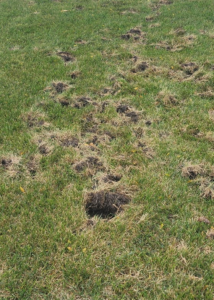
- Irregularly shaped brown or yellow patches of dead grass that appear in late summer or early fall.
- An increase in animals like birds, raccoons, or skunks digging up your lawn, as they feed on grubs.
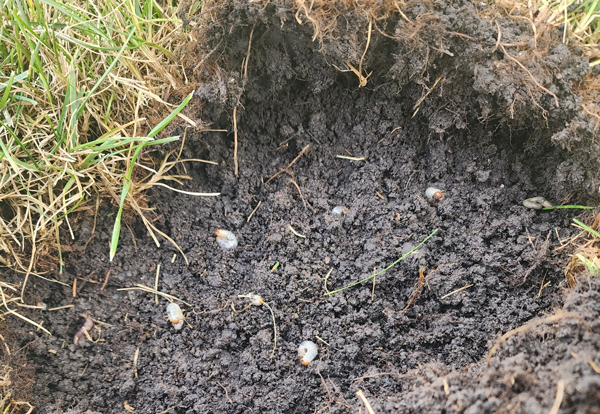
- The presence of the white, C-shaped larvae themselves when you dig into the top few inches of soil.
Furthermore, if you can easily lift a patch of sod and see more than five to ten grubs per square foot, you likely have an infestation that requires action.
The Grub Lifecycle: Understanding Your Enemy
To effectively manage grubs, it’s helpful to understand their lifecycle. Most common lawn grubs, such as those from Japanese beetles or June bugs, follow a one-year cycle. Adult beetles lay their eggs in the soil during mid-to-late summer. For example, these eggs hatch within a few weeks, and the young grubs immediately begin feeding on grassroots.
As a result, they continue to feed and grow throughout the fall, moving deeper into the soil to survive the winter. In the spring, they return to the surface to feed once more before pupating and emerging as adult beetles in early summer to start the cycle anew. This lifecycle is critical because the timing of treatment is directly related to it. For more detailed biological information, university resources like this Purdue University Extension guide are invaluable.
Why Understanding What is Grub Control is Crucial for Lawn Health
Ignoring a grub problem can have devastating consequences for your lawn. The primary issue is root destruction. As grubs chew through the grassroots, they sever the plant’s connection to water and nutrients. Consequently, the grass cannot sustain itself and begins to die off, creating unsightly dead patches. Importantly, this damage also makes your lawn more susceptible to drought stress and weed invasion.
Moreover, a weakened lawn is an open invitation for other problems. Weeds will quickly colonize the bare spots left behind by grub damage. The investment you’ve made in maintaining a healthy lawn, perhaps through services like lawn aeration, can be completely undone in a single season by an unchecked grub population. Therefore, proactive management is not just about aesthetics; it’s about protecting the long-term health and resilience of your entire turf ecosystem.
Effective Grub Control Strategies
When it comes to managing grubs, you have two primary types of chemical treatments: preventative and curative. The best approach for your lawn depends on the time of year and the severity of the infestation.
Preventative vs. Curative Treatments
Preventative treatments are applied before or shortly after eggs have been laid, typically in early to mid-summer. These products create a protective barrier in the soil that eliminates young grubs as they hatch. This is by far the most effective and recommended method. In contrast, curative treatments are used in the fall or spring to control grubs that are already present and actively feeding. While they can be effective, they are often a reactive measure and may not reverse existing damage.
When is the Best Time to Apply Grub Control?
Timing is everything. For preventative applications, the ideal window is from June to early August. This timing ensures the product is in the soil when the new generation of grubs hatches. For curative applications, early fall is the best time, as the grubs are still small and feeding near the surface. Spring applications can be less effective because the grubs are larger and more difficult to control.
Key Takeaways: A Proactive Approach to a Healthy Lawn
Ultimately, knowing what is grub control is about being a proactive homeowner. It involves recognizing the signs of an infestation, understanding the pest’s lifecycle, and applying the right treatment at the right time. By integrating grub management into your overall lawn care strategy, alongside a comprehensive fertilization program, you protect your investment and ensure a beautiful, resilient lawn.
Adopting an Integrated Pest Management (IPM) approach, as advocated by authorities like the EPA, combines smart cultural practices with targeted treatments for sustainable results. However, if you’re facing a persistent problem or want to ensure the job is done right, professional help is your best bet. Our experts can provide tailored professional grub control services to protect your turf. Don’t let grubs ruin your lawn. Take action and request a free quote from our team today!
Related Posts