Can aeration and overseeding make my lawn thicker? This guide shows how this combo creates a dense, healthy turf. Learn how it works. Get a free quote!
How Do I Know If My Lawn Needs Aeration?
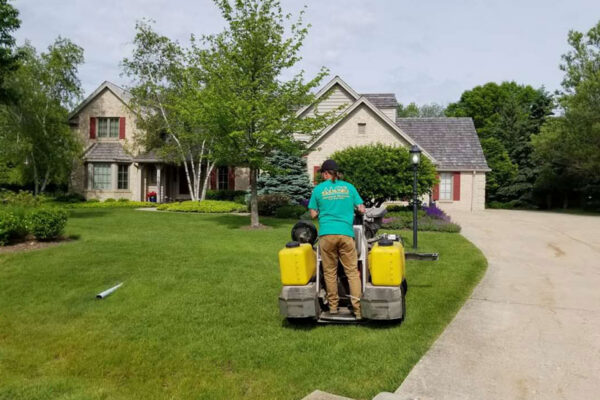 If you’re asking, “How do I know if my lawn needs aeration?“, you’re already on the path to a healthier, more vibrant yard. A lush, green lawn doesn’t happen by accident; it requires healthy soil that can breathe and absorb nutrients. However, over time, soil can become compacted, effectively suffocating the grassroots. Consequently, understanding the signs of compaction is the first step toward reviving your turf. Aeration is the process of creating small holes in the soil to alleviate this compaction, allowing vital air, water, and nutrients to reach the root zone.
What is Soil Compaction and Why Does it Matter?
Soil compaction occurs when soil particles are pressed together, reducing the pore space between them. This creates a dense, hardened layer that is difficult for roots to penetrate. Furthermore, this lack of space severely restricts the flow of oxygen, water, and essential nutrients that your grass needs to thrive. Without these elements, your lawn’s root system becomes shallow and weak, making the grass more susceptible to drought, heat stress, and disease.
Several factors contribute to soil compaction. For example, heavy foot traffic from children playing, pets running, or even regular mowing patterns can compress the soil. Lawns with a high clay content are also naturally more prone to compaction than sandy soils. As a result, recognizing the cause can help you take preventative measures, but for most established lawns, periodic aeration is a necessary solution.
Top 5 Signs Your Lawn is Crying Out for Aeration
Your lawn will often give you clear visual cues when it’s struggling with compacted soil. By learning to spot these indicators, you can intervene before minor issues become major problems. Here are the most common signs that your lawn needs help.
1. Water Puddles or Runs Off Easily
One of the most obvious signs of compaction is poor water drainage. When you water your lawn or after a rainstorm, do you notice puddles forming in low-lying areas? Or does water seem to run off the surface instead of soaking in? Compacted soil acts like a barrier, preventing water from percolating down to the grassroots where it’s needed most. Instead, it pools on top or flows away, wasting water and leaving your lawn thirsty.
2. Thinning, Patchy, or Bare Spots
A healthy lawn has a dense, uniform appearance. In contrast, if you see areas where the grass is thinning, turning yellow, or has died off completely, compacted soil could be the culprit. Grassroots simply cannot grow and spread in hard, dense ground. Therefore, the turf becomes weak and sparse, especially in areas that receive a lot of use. These weak patches are also prime real estate for weeds to take over.
3. Hard, Difficult-to-Dig Soil (The Screwdriver Test)
A simple physical test can tell you a lot about your soil’s condition. Try pushing a screwdriver or a small spade into the turf. In healthy, well-aerated soil, it should slide in with relative ease. However, if you have to exert significant force to push it in even an inch or two, your soil is likely compacted. This resistance mimics what your grassroots experience every day as they struggle to grow.
4. Excessive Thatch Buildup
Thatch is the layer of dead and living organic matter—stems, roots, and shoots—that accumulates between the soil surface and the green grass blades. A thin layer (less than half an inch) is normal and can be beneficial. But when the layer becomes too thick, it can create a barrier that prevents water and nutrients from reaching the soil. Importantly, heavy thatch can also contribute to further compaction. Aeration helps break up this thatch layer, improving overall soil health.
5. High-Traffic Areas Look Worn
Take a look at the paths people and pets naturally take across your yard. Do these areas look particularly worn down and stressed? The constant pressure from foot traffic, lawnmowers, or parked vehicles is a leading cause of localized soil compaction. These well-trodden paths are often the first places to show signs of distress and are a clear signal that aeration is needed to relieve the pressure.
Key Tests: How Do I Know If My Lawn Needs Aeration for Sure?
While visual signs are helpful, performing a more direct test can confirm your suspicions. Answering the question “How do I know if my lawn needs aeration?” becomes much clearer with this hands-on approach. These simple methods give you a definitive look at what’s happening beneath the surface.
- The Screwdriver Test Revisited: Perform this test a day after a good rain or watering session when the soil is moist. If you still can’t easily push a screwdriver 4-6 inches into the ground, compaction is a serious issue.
- The Soil Plug Test: Using a small shovel, dig up a square-foot section of turf about six inches deep. If you can see a dense layer of thatch over an inch thick or if the grass roots are very shallow (only one to two inches deep), your lawn will significantly benefit from core aeration. Healthy roots should extend four to six inches or deeper.
These tests provide concrete evidence of your soil’s health. For a more detailed analysis of soil structure, you can consult authoritative resources like the Purdue University Extension, which offers in-depth guides on soil management.
When is the Best Time to Aerate Your Lawn?
Timing is crucial for successful aeration. The goal is to aerate when the grass is in its peak growing season, which allows it to recover quickly and fill in the open areas. For cool-season grasses common in many regions (like fescue, bluegrass, and ryegrass), the best time to aerate is in the early fall or early spring. For warm-season grasses (like Bermuda, Zoysia, and St. Augustine), late spring is the ideal window.
Additionally, many homeowners choose to combine aeration with other lawn care practices. For instance, fall is the perfect time for both aeration and overseeding. The holes created by the aerator provide the perfect environment for new grass seed to germinate, resulting in a thicker, more resilient lawn the following spring.
Final Thoughts: Your Next Steps to a Healthier Lawn
Now that you have a clear answer to the question, “How do I know if my lawn needs aeration?“, you can take decisive action. Ignoring the signs of soil compaction will only lead to a weaker, less attractive lawn that requires more water and is more susceptible to pests and disease. By addressing the problem at its root—literally—you set the stage for long-term health and beauty.
To summarize, here are the key takeaways:
- Observe Your Lawn: Regularly look for signs like water runoff, thinning grass, and worn-out high-traffic areas.
- Perform a Simple Test: Use the screwdriver or soil plug test to confirm the level of compaction beneath the surface.
- Time it Right: Plan to aerate during your grass type’s active growing season—typically fall or spring.
- Combine for Best Results: Maximize your efforts by pairing aeration with overseeding and a proper fertilization schedule.
Ultimately, aeration is one of the most beneficial treatments you can provide for your lawn. If you’re unsure about tackling the job yourself or want to ensure it’s done correctly, consider getting a professional lawn assessment. An expert can confirm the need for aeration and help you build a comprehensive plan for a lawn you can be proud of.
Related Posts