Wondering when should mosquito treatments begin in spring? Timing is key for a pest-free yard. Learn the ideal temperature and conditions to start. Conta...
What Is Lawn Aeration?
 If you’ve ever felt that your lawn is struggling despite regular watering and fertilizing, the answer might lie just beneath the surface. For many homeowners, the question ‘What is lawn aeration?‘ is the first step toward unlocking a truly vibrant and healthy turf. In short, lawn aeration is the process of perforating the soil with small holes to allow air, water, and nutrients to penetrate the grass roots. This process helps the roots grow deeply and produce a stronger, more vigorous lawn.
Essentially, aeration addresses the problem of soil compaction. When soil becomes compacted, it restricts the essential flow of resources your grass needs to thrive. Consequently, your lawn can become thin, patchy, and more susceptible to disease and drought. By understanding the importance of this simple maintenance task, you can take a proactive step in achieving the lush, green carpet you’ve always wanted.
Why is Soil Compaction a Problem for Your Lawn?
Soil compaction is a common issue, especially in lawns with heavy clay soil or those that experience significant foot traffic from kids, pets, or outdoor activities. Over time, the soil particles get pressed together, reducing the pore space between them. This creates a dense, almost impenetrable barrier for your grass roots.
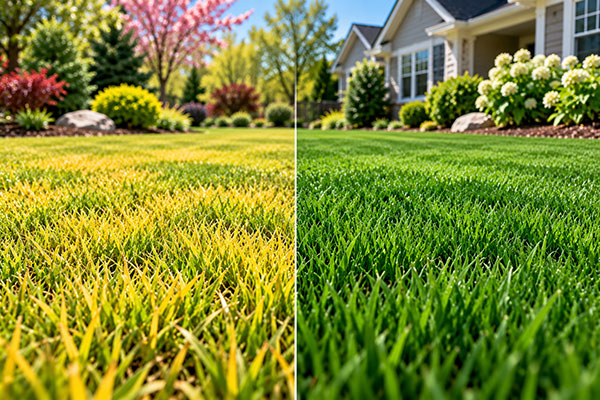
Furthermore, this compaction has several negative effects. First, it physically blocks roots from growing deeper into the soil, leading to a shallow root system that is less resilient to stress like heat and drought. Additionally, water tends to pool on the surface or run off instead of soaking in, wasting a precious resource and preventing it from reaching the root zone. Importantly, the lack of air pockets suffocates the beneficial microorganisms in the soil that help break down organic matter. A thick layer of thatch—a mix of dead and living grass shoots, stems, and roots that accumulates between the soil surface and the green grass blades—can also contribute to these problems.
The Core Benefits of Lawn Aeration
Performing regular aeration offers a host of benefits that directly combat the issues caused by compaction. By creating channels into the soil, you are effectively opening the door for your lawn to breathe and feed properly. The results are often dramatic and long-lasting.
Specifically, the primary advantages include:
- Improved Air Exchange: Aeration allows oxygen to reach the root zone and carbon dioxide to escape, which is vital for root respiration and overall plant health.
- Enhanced Water and Nutrient Uptake: Water, fertilizer, and other nutrients can move more freely into the root zone instead of being trapped on the surface. This makes your watering and fertilization efforts far more effective.
- Stronger Root Development: With more space to grow, roots can delve deeper into the soil, creating a more robust and drought-tolerant lawn.
- Reduced Water Runoff: By improving water absorption, aeration helps reduce puddling and runoff, which is both environmentally and economically beneficial.
- Breaks Down Thatch: Core aeration, in particular, helps manage thatch buildup by pulling up soil cores that contain microorganisms, which then help decompose the thatch layer.
Understanding the Answer to: What is Lawn Aeration?
Now that we’ve covered the ‘why,’ let’s dive deeper into the ‘how.’ When professionals or homeowners talk about aeration, they are typically referring to one of two methods. While both aim to create openings in the soil, their effectiveness differs significantly. Therefore, understanding the distinction is key to choosing the right approach for your lawn’s specific needs.
Core Aeration
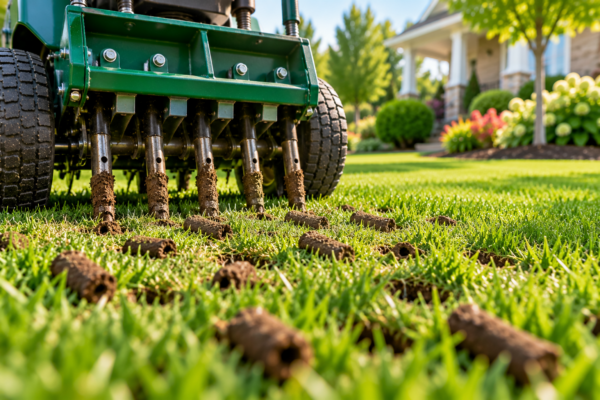
Core aeration, also known as plug aeration, is widely considered the most effective method. This process involves a machine with hollow tines that mechanically removes small plugs or ‘cores’ of soil and thatch from the lawn. These cores, typically 2-3 inches long, are left on the surface to decompose naturally. As they break down, they return valuable nutrients and microorganisms to the soil, further enhancing its health. This method truly relieves compaction by creating space in the soil profile. For anyone asking ‘What is lawn aeration?‘ in a professional context, core aeration is the standard.
Spike Aeration
In contrast, spike aeration involves using a tool with solid spikes to simply poke holes into the ground. While this may seem helpful, it can sometimes be counterproductive. Instead of removing soil to create space, spike aeration pushes the soil aside and down, which can actually increase compaction in the areas immediately surrounding the holes. It provides a temporary channel for air and water but doesn’t address the underlying density of the soil. For this reason, most lawn care experts recommend core aeration for superior, long-term results.
When is the Best Time to Aerate Your Lawn?
Timing is crucial for successful aeration. The best time to aerate is during your grass type’s active growing season. This ensures the grass can recover quickly and fill in the open areas created by the aeration process. For cool-season grasses, such as Kentucky bluegrass, fescue, and ryegrass, the ideal time is in the early fall or early spring. Fall is often preferred as the grass is actively growing and weeds are less competitive.
For warm-season grasses like Bermuda, Zoysia, and St. Augustine, the best time for aeration is during the late spring or early summer. Aerating during these peak growth periods helps the turf heal rapidly and take full advantage of the improved soil conditions. Performing professional lawn aeration services at the right time sets the stage for a successful season.
The Lawn Aeration Process: A Step-by-Step Overview
Whether you’re tackling it yourself or hiring a pro, the aeration process follows a clear set of steps. Proper preparation and follow-up are just as important as the aeration itself. Following these steps ensures you get the maximum benefit from the effort.
- Prepare the Lawn: The soil should be moist, but not saturated. It’s best to water your lawn thoroughly a day or two before aerating. This allows the aerator tines to penetrate the soil more easily.
- Mow First: Mow your lawn to a normal height before you begin. This makes operating the machine easier and helps the tines reach the soil.
- Mark Obstacles: Be sure to mark any sprinkler heads, shallow irrigation lines, or other hidden objects to avoid damaging them with the aerator.
- Perform the Aeration: Go over the lawn with the core aerator. For heavily compacted areas, it’s a good idea to make a second pass in a perpendicular direction to the first.
- Leave the Cores: Do not rake up the soil plugs left on the lawn. They will break down in a week or two, recycling nutrients back into the soil.
- Follow Up for Best Results: Immediately after aeration is the perfect time for overseeding and fertilizing. The seeds and nutrients will have direct contact with the soil, leading to better germination and absorption. This is why many homeowners opt for a combined aeration and overseeding service, supported by a regular fertilization program.
After completing these steps, you will have a comprehensive answer to ‘What is lawn aeration?‘ based on direct experience and observation of its powerful effects.
Final Thoughts: Is Lawn Aeration Worth It?
Absolutely. Lawn aeration is one of the most beneficial practices for maintaining a healthy, dense, and resilient lawn. By directly addressing soil compaction, it creates the ideal environment for your grass to thrive. It enhances the effectiveness of watering and fertilizing, strengthens the root system, and helps manage thatch. For more information on soil health, authoritative sources like the Penn State Extension provide valuable insights. While it may seem like an intensive process, the long-term rewards of a lush, green lawn are well worth the effort. If your lawn looks tired and stressed, aeration could be the key to its revival. Ready to give your lawn the air it needs to breathe? We can help. Feel free to request a free quote for our professional services today.
Related Posts