Wondering when should mosquito treatments begin in spring? Timing is key for a pest-free yard. Learn the ideal temperature and conditions to start. Conta...
What Is Lawn Fertilization?
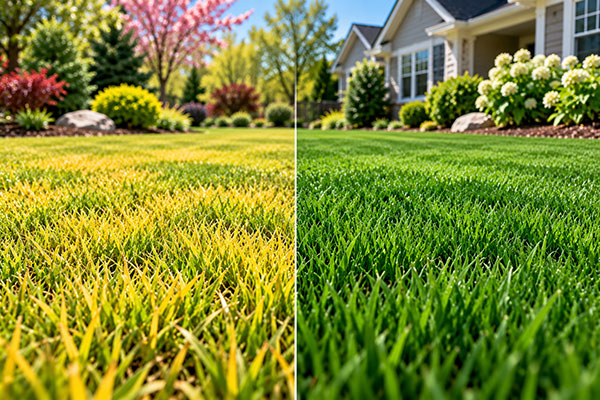
 A lush, vibrant green lawn is the centerpiece of a beautiful home, but achieving it requires more than just regular mowing and watering. The secret often lies beneath the surface, in the nutrients your soil provides. For homeowners asking, what is lawn fertilization?, the answer is simple: it’s the process of supplying your lawn with the essential nutrients it needs to thrive, grow strong, and fend off weeds and diseases. Furthermore, understanding this process is the first step toward transforming a patchy, lackluster yard into a healthy, resilient carpet of green.
The Science Behind a Healthy Lawn: The Role of Nutrients
Lawn fertilizer isn’t just generic plant food; it’s a carefully balanced diet for your grass. Consequently, most fertilizers contain three primary macronutrients, often displayed as an N-P-K ratio on the packaging. Each number represents the percentage of the nutrient by weight and plays a distinct role in your lawn’s health.
- Nitrogen (N): This is arguably the most important nutrient for a lawn. Nitrogen is directly responsible for vigorous leaf growth and the deep green color every homeowner desires. It is a core component of chlorophyll, the pigment that allows plants to convert sunlight into energy.
- Phosphorus (P): Phosphorus is crucial for establishing strong roots. It aids in energy transfer within the plant, promoting healthy development, especially in new lawns or after seeding. A robust root system helps grass withstand drought and absorb other nutrients more effectively.
- Potassium (K): Think of potassium as your lawn’s immune system booster. It helps regulate metabolic processes and improves the grass’s overall resilience against stress, including extreme temperatures, drought, and disease.
Additionally, many fertilizers include secondary nutrients and micronutrients like sulfur, iron, and magnesium, which address specific deficiencies and contribute to overall plant vitality.
Key Benefits of Understanding What Is Lawn Fertilization
Properly fertilizing your lawn goes far beyond just making it look good. The benefits are comprehensive, creating a healthier ecosystem in your yard. For example, a well-fed lawn grows denser, which naturally crowds out and prevents invasive weeds from taking hold. This reduces the need for chemical weed killers. Moreover, strong, nutrient-rich grass is better equipped to resist common turf diseases and recover from pest damage, such as from insects that require effective grub control. The improved root structure from proper fertilization also enhances water absorption, making your lawn more drought-tolerant. Ultimately, a consistent feeding schedule is one of the most effective investments you can make in your property’s curb appeal and long-term health.
Types of Lawn Fertilizer: Which One Is Right for You?
Navigating the fertilizer aisle can be confusing, but the options generally fall into a few key categories. The right choice depends on your lawn’s specific needs, your soil type, and your application preference. Importantly, understanding these differences is key to a successful strategy.
Granular vs. Liquid Fertilizers
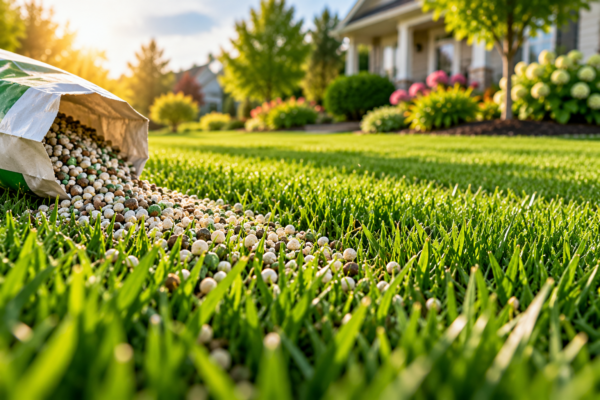
Granular fertilizers are dry pellets that you apply with a spreader. They are typically slow-release, meaning they break down and feed the lawn over several weeks. This provides a steady supply of nutrients and reduces the risk of burning the grass. In contrast, liquid fertilizers are mixed with water and applied with a sprayer. They are absorbed quickly by both the leaves and roots, offering a fast green-up, but they may require more frequent applications.
Synthetic vs. Organic Options
Synthetic fertilizers are manufactured from minerals, gasses, and other chemicals to provide a precise and potent dose of nutrients. They work quickly and are often more affordable. Organic fertilizers, on the other hand, are derived from natural sources like compost, manure, and bone meal. They improve soil structure over time and release nutrients more slowly as microorganisms break them down. As a result, they are a great choice for long-term soil health, a concept supported by environmental agencies like the EPA.
When Is the Best Time to Fertilize Your Lawn?
Timing is everything in lawn care. Fertilizing at the right time ensures that the grass can make the most of the nutrients during its active growth cycles. For most regions, the ideal schedule is tied to the seasons and the type of grass you have (cool-season or warm-season).
For cool-season grasses like Kentucky bluegrass and fescue, the most important times to fertilize are in the fall and spring. A fall application helps the grass recover from summer stress and build strong roots for the winter. Similarly, a spring feeding provides the energy for a quick green-up and vigorous growth. For homeowners looking to maximize nutrient absorption, pairing fertilization with services like lawn aeration can be highly effective. This process creates channels in the soil, allowing nutrients and water to penetrate directly to the root zone.
How Often Should I Fertilize My Lawn?
The frequency of fertilization depends on the type of fertilizer used and your lawn’s condition. Generally, a lawn benefits from 4 to 6 applications per year. A slow-release granular fertilizer might be applied every 6 to 8 weeks during the growing season. However, it’s crucial to follow the product’s instructions or a professional’s advice. Following a structured comprehensive fertilization program can take the guesswork out of the equation, ensuring your lawn gets exactly what it needs, when it needs it.
Common Mistakes to Avoid
Even with the best intentions, mistakes can happen that may harm your lawn. Avoiding these common pitfalls is essential for achieving the best results and is a final, critical piece of the puzzle for anyone wondering ‘what is lawn fertilization?’.
- Over-fertilizing: More is not better. Applying too much fertilizer can burn the grass, damage the roots, and lead to nutrient runoff that harms the environment. Always follow the recommended application rates.
- Applying Unevenly: Using a quality spreader and walking at a consistent pace is crucial for even coverage. Uneven application can result in a patchy lawn with green stripes and yellow spots.
- Fertilizing at the Wrong Time: Applying fertilizer during a summer drought or when the grass is dormant can stress or even kill your lawn. Stick to the active growing seasons for your grass type.
- Ignoring Your Soil’s pH: If your soil is too acidic or alkaline, the grass cannot properly absorb nutrients, no matter how much you fertilize. An occasional soil test can provide invaluable insights, as detailed by educational resources like the University of Minnesota Extension.
Final Thoughts on Lawn Fertilization
In conclusion, lawn fertilization is a fundamental practice for cultivating a dense, healthy, and beautiful lawn. By providing a balanced diet of essential nutrients like nitrogen, phosphorus, and potassium, you empower your grass to grow strong roots, maintain a vibrant green color, and naturally resist weeds and disease. Understanding the different types of fertilizer and the best times to apply them allows you to create a targeted strategy for your yard’s specific needs. By avoiding common mistakes and staying consistent, you can achieve professional-level results. Ready to give your lawn the expert care it deserves? Contact us today to request a free lawn care quote and start your journey to a healthier, greener lawn.
Related Posts