Wondering 'How do I know if my lawn needs aeration?' Learn the top signs of soil compaction, like water runoff and thinning grass. We'll show you how to...
Can Aeration And Overseeding Make My Lawn Thicker?
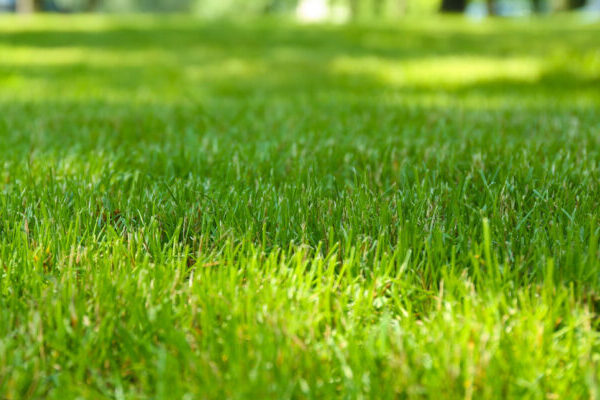 Many homeowners ask, can aeration and overseeding make my lawn thicker? The answer is an emphatic yes. This powerful combination is one of the most effective ways to transform a thin, patchy lawn into a dense, vibrant, and resilient carpet of green. While seeding or aerating alone can provide benefits, their combined effect creates the ideal conditions for substantial turf improvement. Consequently, understanding how these two processes work together is the first step toward achieving the lawn of your dreams.
What Exactly is Aeration and Overseeding?
Before diving into the combined benefits, it’s helpful to understand each component. Although they are separate services, they are most effective when performed sequentially. This strategic pairing addresses two of the biggest obstacles to a thick lawn: soil compaction and a lack of healthy grass plants.
First, aeration is the process of creating small holes in the soil to alleviate compaction. The most effective method, core aeration, involves a machine that pulls out small plugs of soil and thatch. This action allows vital resources like air, water, and nutrients to penetrate deep into the root zone. Furthermore, it gives grass roots more room to grow and strengthen.
Immediately following aeration, overseeding is the practice of spreading new grass seed over your existing turf. The goal is to fill in bare spots, improve the overall density of the lawn, and introduce new, more resilient grass varieties. When you overseed directly after aerating, the new seeds fall into the holes created by the aerator, ensuring excellent seed-to-soil contact, which is critical for successful germination.
Why Can Aeration and Overseeding Make My Lawn Thicker Than Seeding Alone?
This is a crucial question for understanding the value of the combined service. Simply throwing grass seed onto a hard, compacted lawn is often a waste of time and money. The seeds struggle to find purchase in the soil, leaving them exposed to birds or washing away in the rain. Therefore, the preparation provided by aeration is what makes all the difference.
Aeration essentially creates a perfect seedbed across your entire lawn. The thousands of small holes provide a sheltered, moist environment where seeds can germinate without competition. As a result, your germination rate increases dramatically. The answer to can aeration and overseeding make my lawn thicker? lies in this synergy. Aeration opens the door for new growth, and overseeding walks right through it.
- Improved Seed-to-Soil Contact: Seeds that fall into aeration holes are surrounded by soil, which helps them stay moist and protected.
- Reduced Soil Compaction: New seedlings can establish roots more easily in loosened soil, leading to stronger, healthier plants.
- Enhanced Nutrient and Water Access: The channels created by core aeration allow water and starter fertilizer to reach the seeds and developing roots more efficiently.
- Increased Turf Density: By successfully germinating more seeds, you are actively adding thousands of new grass plants to your lawn, which is the very definition of making it thicker.
What is the Best Time for This Service?
Timing is critical for maximizing the results of aeration and overseeding. For cool-season grasses, which are common in many parts of the country, the ideal window is late summer to early fall. During this period, the soil is still warm from the summer sun, which encourages rapid germination. However, the cooling air temperatures reduce the stress on new grass seedlings.
Additionally, annual weeds like crabgrass have typically finished their life cycle, meaning there is less competition for the new grass. Aerating and overseeding in the fall gives the new turf several months to establish a strong root system before the ground freezes and winter dormancy sets in. Consequently, when spring arrives, your lawn will be thicker, healthier, and better equipped to crowd out weeds.
The Step-by-Step Professional Process
While it’s possible to DIY, professional application ensures the job is done correctly with commercial-grade equipment and high-quality seed. The typical process follows several important steps for optimal results.
- Initial Mowing: The lawn is first mowed slightly shorter than usual. This allows the seed to reach the soil more easily and ensures the new seedlings get enough sunlight.
- Marking Obstacles: Professionals will mark irrigation heads, invisible dog fences, and other in-ground objects to prevent damage from the aeration equipment.
- Core Aeration: A core aerator is run over the entire lawn, pulling up plugs of soil. The number of passes depends on the level of compaction.
- Overseeding: Immediately after aeration, a premium, region-appropriate grass seed mix is applied at a calibrated rate using a broadcast spreader.
- Starter Fertilizer Application: A starter fertilizer, rich in phosphorus, is often applied to provide essential nutrients for new root development. This is a key part of any proper fertilization program.
- Watering Instructions: The final, crucial step is watering. The lawn must be kept consistently moist for the first few weeks to ensure the new seeds germinate and thrive.
Common Mistakes to Avoid
To ensure your investment pays off, it’s important to avoid common pitfalls. Missteps can lead to poor results and a lawn that remains thin and weak. Importantly, be aware of the following:
- Using a Spike Aerator: Spike aerators simply poke holes in the ground, which can actually increase compaction around the hole. Core aeration is the superior method for relieving compaction.
- Wrong Timing: Aerating in the middle of a hot, dry summer can stress the lawn, while doing it too late in the fall may not give seeds enough time to establish before winter.
- Using Cheap Seed: Low-quality seed often contains weed seeds and undesirable grass varieties. For more information on grass types, authoritative sources like the University of Maryland Extension provide excellent guidance.
- Inadequate Watering: Letting the seedbed dry out is the fastest way to kill new seedlings. Consistent moisture is non-negotiable for the first 2-3 weeks.
Final Thoughts: A Thicker Lawn is Within Reach
So, to return to our original question: can aeration and overseeding make my lawn thicker? The evidence is clear and the answer is a definitive yes. By addressing soil compaction and introducing new, healthy grass plants in one coordinated effort, this service provides the most reliable path to a lush, dense lawn. It’s a foundational practice for long-term turf health.
Ultimately, a thick lawn is your best defense against weeds, disease, and drought. If you’re tired of looking at thin, struggling grass, this combination service is the solution you’ve been searching for. For homeowners looking to achieve professional results and ensure the process is done right, it’s time to take the next step. Ready to transform your lawn? We encourage you to request a professional consultation to get a personalized plan for your property.
Related Posts