Wondering when should mosquito treatments begin in spring? Timing is key for a pest-free yard. Learn the ideal temperature and conditions to start. Conta...
Are Mosquito Yard Treatments Safe?
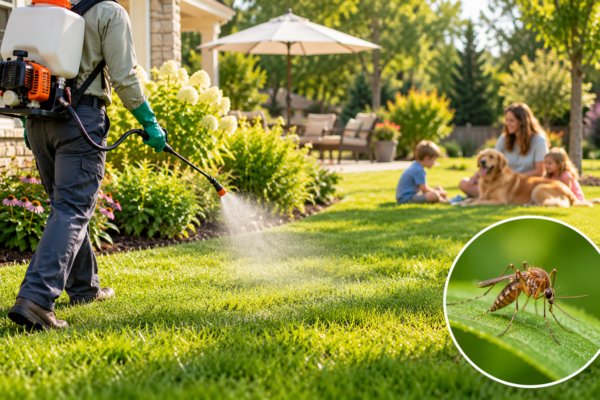 As a homeowner, you want to enjoy your outdoor space without the constant nuisance and health risks of mosquitoes. This leads many to ask the critical question: are mosquito yard treatments safe? The concern is valid, as you want to protect your family, pets, and the environment while effectively controlling pests. Fortunately, when conducted by trained professionals using approved products, the answer is overwhelmingly yes. This guide will explore the components of these treatments, the necessary safety protocols, and how to ensure a safe, enjoyable, mosquito-free yard.
What Chemicals Are Used in Mosquito Treatments?
Understanding what’s in a mosquito spray is the first step toward peace of mind. Professional services primarily use insecticides regulated by the Environmental Protection Agency (EPA) to ensure they meet strict safety standards. Consequently, these products are highly effective against mosquitoes while posing minimal risk to humans and pets when used as directed.
Understanding Pyrethroids and Pyrethrins
The most common class of insecticides used in mosquito control are pyrethroids. These are synthetic compounds that mimic pyrethrins, which are natural extracts from chrysanthemum flowers. Pyrethroids are valued for their “fast-acting” properties on the nervous systems of insects. Importantly, they break down quickly in sunlight and soil, which prevents them from lingering in the environment. According to the Environmental Protection Agency, these products have low toxicity to mammals, making them a cornerstone of modern, safe pest control when applied correctly.
Natural and Organic Alternatives
For those seeking alternative options, there are treatments based on essential oils like cedarwood, garlic, or lemongrass. These products work primarily as repellents rather than killing mosquitoes on contact. While they can be effective for short periods, they typically require more frequent application than pyrethroid-based treatments. Therefore, they represent a different strategy that prioritizes repellency over elimination, which can be a valid part of an integrated approach.
How Can You Ensure Safety During and After Treatment?
A professional application is designed for safety from start to finish. However, following a few simple guidelines can add an extra layer of protection for your family and pets. A reputable provider will always give you clear instructions before, during, and after the service. These recommendations are crucial for ensuring the treatment is both effective and safe.
Here are the most common safety precautions to follow:
- Stay Indoors During Application: Keep all people and pets inside while the technician is spraying. Additionally, it’s wise to close all windows and doors facing the yard.
- Wait for the Product to Dry: This is the most critical rule. Most products are considered safe for re-entry once they have completely dried. This typically takes between 30 to 60 minutes, depending on temperature and humidity.
- Bring in Toys and Personal Items: Before the technician arrives, clear the yard of children’s toys, pet bowls, and other personal items to prevent direct contact with the spray.
- Cover Fish Ponds and Vegetable Gardens: If you have ornamental fish ponds or vegetable gardens, cover them with a tarp before treatment begins. While pyrethroids have low mammalian toxicity, they can be toxic to aquatic life.
The Professional Difference: Ensuring Mosquito Yard Treatments Are Safe
The question, are mosquito yard treatments safe?, often depends more on the application method than the product itself. This is where hiring a professional makes all the difference. Unlike DIY foggers that can lead to over-application, trained technicians understand exactly how professionals treat yards for mosquitoes for maximum effect and minimal exposure. They use calibrated equipment to apply the precise amount of product needed.
Furthermore, professionals target specific areas where mosquitoes live and breed. They focus on the undersides of leaves on shrubs, in damp and shady areas, and around the foundation of your home. This targeted approach is far more effective and environmentally responsible than blanketing the entire yard. This expertise ensures that the treatment works where it’s needed most, reducing the overall amount of insecticide used and limiting contact with non-target organisms.
Safety Precautions for Pets and Children
For families with curious children and pets, safety is the top priority. The primary safety protocol, as mentioned, is to wait until the applied product has thoroughly dried before allowing them back into the treated area. Once dry, the product binds to the foliage and other surfaces, creating a very low risk of exposure through contact. The residual effect is deadly for mosquitoes that land on the treated surfaces but poses a minimal risk to your loved ones.
Moreover, it’s always a good practice to communicate with your lawn care provider. Inform them about the presence of pets and children so they can take extra care and provide specific guidance. For example, while the risk is low for most pets, cats can be more sensitive to pyrethroids, so ensuring the product is completely dry is especially important. A professional service will always prioritize your family’s well-being.
Integrated Pest Management for Long-Term Control
A truly effective mosquito control strategy goes beyond just spraying. Professionals often use an approach called Integrated Pest Management (IPM), which combines treatments with preventative measures. A key part of IPM is source reduction. Mosquitoes need standing water to reproduce, and eliminating these sources is a powerful way to reduce mosquito breeding grounds. This includes tipping over buckets, cleaning gutters, and changing the water in birdbaths regularly.
By combining source reduction with a professional mosquito yard treatment program, you create a comprehensive defense. This strategy not only makes your yard less hospitable to new mosquitoes but also helps control the existing population. Given the dangerous diseases mosquitoes can carry, as highlighted by the Centers for Disease Control and Prevention (CDC), this integrated approach is the most reliable way to protect your family’s health.
Final Thoughts on Mosquito Treatment Safety
So, are mosquito yard treatments safe? The evidence clearly shows that when administered by qualified professionals using EPA-approved products, these treatments are a safe and highly effective way to reclaim your yard. The key lies in proper application techniques, adherence to safety protocols like waiting for the product to dry, and an integrated approach that includes reducing standing water.
Ultimately, you do not have to choose between a safe yard and a mosquito-free one. With the right professional partner, you can have both. By understanding the process and communicating with your provider, you can enjoy your outdoor living space with confidence and peace of mind. If you’re ready to take back your yard, request a free quote from our team today!
Related Posts