Wondering when should mosquito treatments begin in spring? Timing is key for a pest-free yard. Learn the ideal temperature and conditions to start. Conta...
What Are The Different Types Of Lawn Fertilizer?
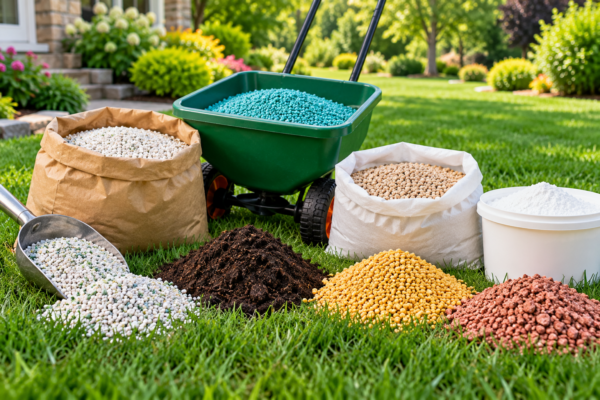 Choosing the right food for your lawn can feel overwhelming, but understanding what are the different types of lawn fertilizer is the first step toward a lush, green, and healthy yard. The correct nutrients not only make your grass look better but also strengthen it against pests, diseases, and drought. Consequently, a well-fed lawn is a resilient lawn. This guide will break down the options to help you make an informed decision for your turf.
The Core Components: Understanding N-P-K Ratios
Before diving into the types, it’s crucial to understand the three main numbers on any fertilizer bag: N-P-K. These represent the percentage of Nitrogen (N), Phosphorus (P), and Potassium (K). For example, a bag labeled 20-5-10 is 20% nitrogen, 5% phosphorus, and 10% potassium. Each element serves a specific purpose.
- Nitrogen (N): This is the most important nutrient for lawn growth. It promotes vigorous, green top growth and is essential for creating chlorophyll.
- Phosphorus (P): Phosphorus is vital for strong root development, helping new lawns establish and existing lawns build resilience. It also aids in energy transfer within the plant.
- Potassium (K): Potassium improves the lawn’s overall health, enhancing its ability to withstand stress from drought, heat, cold, and disease. Think of it as a general wellness booster.
Furthermore, understanding these ratios is key to diagnosing your lawn’s needs. For more in-depth information on how these nutrients work, authoritative sources like university extension programs provide excellent, science-backed details.
Exploring What Are The Different Types Of Lawn Fertilizer
Now that you understand the basic ingredients, let’s explore the main delivery systems. The debate over granular versus liquid is common, and each has distinct advantages. Importantly, knowing what are the different types of lawn fertilizer helps you align the product with your goals, schedule, and lawn’s specific condition.
Granular Fertilizers (Slow-Release)
Granular fertilizers consist of dry pellets that you apply to your lawn using a spreader. Most granular products are designed for slow-release, meaning they break down and feed the lawn over several weeks or even months. This provides a steady, consistent supply of nutrients.
Additionally, this slow-and-steady approach reduces the risk of burning your lawn from over-application. It also means you don’t have to fertilize as frequently. However, granular fertilizers require water—either from rain or irrigation—to activate and begin releasing their nutrients into the soil.
Liquid Fertilizers (Quick-Release)
Liquid fertilizers are mixed with water and applied using a hose-end sprayer. Their primary benefit is speed. Because the nutrients are already dissolved, they are absorbed quickly by both the grass blades and the roots. This can result in a rapid green-up, which is great if you need your lawn to look its best for an upcoming event.
In contrast to granular options, liquid applications may need to be done more frequently, as the nutrients are used up or washed away faster. There is also a slightly higher risk of leaf burn if applied incorrectly or during the intense heat of the day. Therefore, following the product’s instructions is critical.
Which Type of Fertilizer is Right for Your Lawn?
Deciding between granular and liquid often comes down to your specific situation and goals. Do you prefer feeding your lawn less often with long-lasting results, or do you need a quick boost of color and growth? For many homeowners, a combination approach works best.
For example, using a slow-release granular fertilizer as the foundation of your annual care plan provides consistent health. You can then supplement with a quick-release liquid fertilizer for a fast green-up before a special occasion. Considering the benefits of lawn fertilization is key to building a comprehensive strategy. Sometimes, you may find your lawn also needs aeration to allow nutrients to penetrate compacted soil effectively.
Organic vs. Synthetic Fertilizers
Another important distinction is between organic and synthetic sources. This choice impacts not just your lawn but also the soil’s ecosystem.
- Organic Fertilizers: Derived from natural sources like compost, manure, or bone meal, these fertilizers improve soil structure and health over time. They release nutrients slowly as microorganisms break them down.
- Synthetic Fertilizers: These are manufactured chemically to provide a precise and concentrated dose of nutrients. They work quickly but do not contribute to long-term soil health in the same way organic options do.
Many modern products offer a blend of both, providing a quick initial result from synthetic components and long-term soil improvement from organic matter. Ultimately, understanding what are the different types of lawn fertilizer allows you to tailor a solution that is perfect for your yard’s unique needs.
Key Takeaways for Choosing Your Fertilizer
Ultimately, the best fertilizer is the one that matches your lawn’s needs, soil type, and your maintenance preferences. Remember that a healthy lawn is a journey, not a destination. Consistent care, proper mowing, and adequate watering are just as important as the fertilizer you choose.
To summarize, slow-release granular fertilizers are great for consistent, long-term feeding, while quick-release liquids offer a fast path to a greener lawn. For homeowners who want guaranteed results without the guesswork, a professional fertilization program can provide expert analysis and application tailored specifically to your property’s needs.
Ready to achieve the lawn of your dreams? Don’t leave it to chance. Get your free lawn care quote from our experts today and let us build a custom plan for you!
Related Posts