Wondering when should mosquito treatments begin in spring? Timing is key for a pest-free yard. Learn the ideal temperature and conditions to start. Conta...
How Do I Know If I Have Grubs In My Lawn?
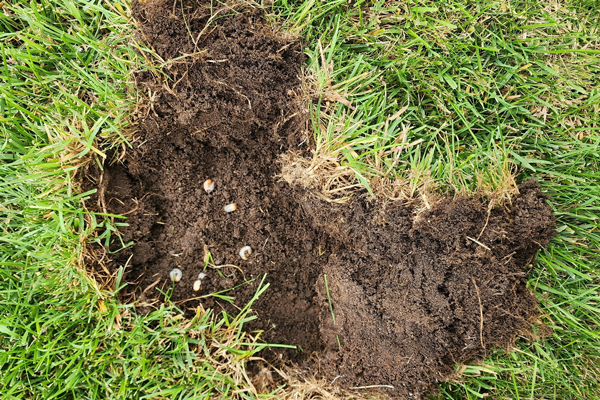 If you’re asking, ‘How do I know if I have grubs in my lawn?‘, you are likely noticing some troubling signs in your yard. For example, you might see spreading brown patches, feel spongy turf underfoot, or spot an unusual number of birds and other animals digging. These symptoms often point to a hidden grub infestation, a destructive pest that feeds on grassroots and can cause significant damage if left untreated. Fortunately, identifying a grub problem is straightforward once you know what to look for.
These pests can quickly turn a lush, green lawn into a patchy, unhealthy mess. Therefore, early detection is crucial for effective treatment and recovery. This guide will walk you through the definitive signs of grub activity and show you how to confirm their presence in your soil.
What Are Lawn Grubs, Exactly?
Before diagnosing the problem, it’s helpful to understand the culprit. Lawn grubs are the C-shaped, white, soft-bodied larvae of various species of beetles, most commonly Japanese beetles, June bugs (May beetles), and chafers. Furthermore, they live just below the soil surface, where they have a voracious appetite for the root systems of your grass.
The grub life cycle is a key factor in lawn damage. Adult beetles lay their eggs in the soil during mid-summer. Consequently, these eggs hatch a few weeks later, and the young grubs immediately begin to feed on grassroots throughout the late summer and early fall. This is when the most severe damage typically occurs. As winter approaches, they burrow deeper into the soil to hibernate, only to return to the surface in the spring to feed again before transforming into adult beetles.
The Top 5 Telltale Signs of a Grub Problem
A grub infestation can mimic other lawn issues like drought or fungal disease. However, there are several distinct signs that point specifically to grub activity. Paying close attention to these clues is the first step in taking back your lawn.
1. Irregular Brown or Yellow Patches
One of the most visible signs is the appearance of large, irregular patches of brown or yellowing grass that don’t green up after watering. Because grubs sever the roots, the turf can no longer absorb the water and nutrients it needs to survive. These patches will often expand as the grubs move to new feeding areas.
2. Spongy or Loose Turf
Does your lawn feel unusually spongy or bouncy when you walk on it? This is a classic indicator of a grub problem. As grubs destroy the root system, the turf detaches from the soil. In severe cases, you can even roll back sections of your lawn like a carpet, revealing the soil and the grubs themselves underneath.
3. Increased Animal Activity
Suddenly seeing more raccoons, skunks, armadillos, or birds digging in your yard is a major red flag. These animals consider grubs a delicious food source. Consequently, they will tear up your lawn in search of a meal. If you notice small, cone-shaped holes or patches of sod being flipped over, it’s highly likely that animals are hunting for grubs.
4. Visible Grubs in the Soil
The most direct evidence, of course, is seeing the grubs themselves. You might uncover them while gardening, digging, or if you peel back a section of damaged turf. They are typically white or grayish, with soft bodies, six legs near the head, and a brown head capsule. When disturbed, they characteristically curl into a C-shape.
5. A Lawn That Wilts Despite Watering
If you are watering your lawn consistently but patches continue to wilt and die, grubs may be the cause. A healthy root system is essential for water uptake. Without it, the grass blades will dehydrate and die, no matter how much water you provide. This is a key differentiator from simple drought stress, which typically affects the lawn more uniformly.
Answering ‘How do I know if I have grubs in my lawn?’ with a Simple Test
While the signs above are strong indicators, a simple test can confirm the presence and severity of an infestation. This is often called the ‘shovel test’ or ‘tug test,’ and it provides a definitive answer. Performing this test correctly is the best way to know if you have grubs in your lawn.
Follow these steps to check your turf:
- Select a Test Area: Choose a spot on the edge of a brown patch, where the grass transitions from healthy to damaged. This is where grubs are most likely to be actively feeding.
- Cut a Sod Sample: Using a spade or sharp shovel, cut a one-foot-square section of sod on three sides, leaving one side attached like a hinge.
- Peel Back the Turf: Carefully peel or roll back the square of sod and inspect the soil and root zone underneath.
- Count the Grubs: Count the number of grubs you see in the square-foot sample. Be sure to sift through the top inch or two of soil.
- Assess the Threshold: A healthy lawn can typically tolerate a few grubs. However, if you count between five and ten grubs (or more) per square foot, you have a significant infestation that requires treatment to prevent further damage.
What Should I Do After Confirming Grubs?
Discovering a grub infestation can be disheartening, but there are effective solutions available. The best course of action depends on the time of year and the severity of the problem. For minor issues, improving lawn health can help, but for significant populations, targeted treatments are necessary.
Importantly, applying the right product at the right time is critical for success. Some treatments are preventative, while others are curative. For guaranteed results and to avoid harming beneficial insects, we recommend seeking professional grub control. Experts can correctly identify the grub species and apply the most effective, environmentally responsible treatments. After treatment, your lawn will need help to recover. Services like a lawn aeration can reduce soil compaction and improve root access to air and water, while a customized fertilization program will provide the nutrients needed for strong regrowth.
Final Thoughts on Grub Identification
Understanding the answer to ‘How do I know if I have grubs in my lawn?‘ is the first and most important step toward recovery. By looking for the key signs and performing a simple test, you can diagnose the problem with confidence. Remember that a quick response is the best way to minimize damage and restore your turf’s health.
Here are the key takeaways:
- Watch for irregular brown patches that don’t respond to watering.
- Check for spongy turf that can be pulled back easily.
- Note any unusual increase in animals digging in your yard.
- Perform a shovel test in a damaged area; more than five grubs per square foot is a problem.
- Consider professional help for effective treatment and lawn recovery. For more information on grub life cycles, you can consult authoritative sources like The Old Farmer’s Almanac.
Finally, don’t let grubs destroy the lawn you love. If you’ve confirmed an infestation or are still unsure about the health of your turf, our experts can provide a definitive diagnosis and an effective treatment plan. To get started, request a free lawn care quote today and take the first step toward a healthier, grub-free lawn.
Related Posts