Signing up for lawn care should feel simple. You want a healthy yard, a clear…
When Should I Aerate Cool-Season Grass?
 Understanding when should I aerate cool-season grass is one of the most critical decisions a homeowner can make for achieving a lush, resilient lawn. Proper timing ensures that your grass recovers quickly and reaps the maximum benefits from the aeration process. Aeration is a powerful technique for alleviating soil compaction and improving the overall health of your turf. Consequently, getting the timing right allows water, oxygen, and vital nutrients to penetrate deep into the root zone, fostering a stronger, more vibrant lawn that can withstand stress from heat and drought.
What Exactly is Lawn Aeration?
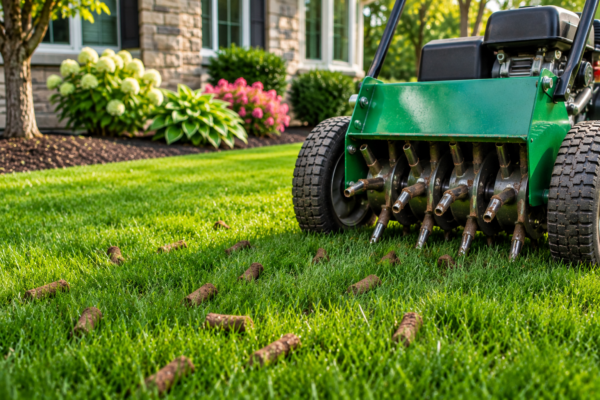
Lawn aeration is the process of perforating the soil with small holes to allow essential elements to reach the grassroots. There are two primary methods: spike aeration and core aeration. Spike aeration simply pokes holes in the ground, which can sometimes increase compaction around the hole. In contrast, core aeration, the method preferred by professionals, physically removes small plugs or ‘cores’ of soil and thatch from the lawn. This process directly combats soil compaction, which is a common problem in clay soils or high-traffic areas.
Furthermore, by removing these cores, you create channels for air, water, and fertilizer to move freely. This significantly enhances the effectiveness of your entire lawn care program. For a deeper understanding of the fundamentals, our comprehensive guide to what lawn aeration is provides extensive detail. Ultimately, this practice encourages deeper root growth and results in a healthier, more resilient turf.
The Best Time: When Should I Aerate Cool-Season Grass?
The single most important factor for successful aeration is timing it with your grass type’s active growing season. For cool-season grasses—such as Kentucky bluegrass, fescues, and perennial ryegrass—the ideal time to aerate is in the early fall. Specifically, the period from late August to early October provides the perfect conditions for these grasses to thrive and recover from the mechanical stress of aeration.
During this window, the soil is still warm from the summer, which encourages rapid root development, while the cooler air temperatures reduce the risk of heat stress on the grass. Importantly, aerating in the fall also disrupts the life cycle of many annual weeds that germinate in the spring. Therefore, by choosing the right season, you not only improve your lawn’s health but also give it a competitive edge against invasive weeds. Knowing when should I aerate cool-season grass is the key to unlocking its full potential.
Why Early Fall is the Gold Standard
Aerating in early fall offers a unique combination of benefits that other seasons cannot match. Firstly, your cool-season grass is entering its peak growth phase, meaning it will recover quickly from the process and fill in the open spaces. Secondly, this timing aligns perfectly with overseeding. Spreading new grass seed immediately after aeration provides excellent seed-to-soil contact, which dramatically increases germination rates. This combination of aeration and overseeding is the most effective way to build a denser, thicker lawn.
Moreover, the soil plugs left on the surface will break down over a few weeks, recycling valuable nutrients back into the soil. This natural decomposition acts as a top dressing, further enriching your lawn’s ecosystem. While early spring is a secondary option, it is less ideal because the aeration holes can create a perfect seedbed for crabgrass and other summer weeds to germinate.
What are the Telltale Signs My Lawn Needs Aeration?
Not every lawn needs to be aerated annually. However, certain conditions make it a necessary maintenance task. If you are unsure whether your lawn would benefit, look for these common indicators. Recognizing these symptoms is just as important as knowing the right time of year for the job.
- Compacted Soil: If your lawn feels hard underfoot or is difficult to penetrate with a screwdriver, the soil is likely compacted. This is common in lawns with heavy clay soil or those that experience significant foot traffic from children, pets, or outdoor activities.
- Water Puddling: Does water pool on your lawn’s surface after a light rain? This indicates that the water isn’t absorbing properly, a classic sign of compaction.
- Thinning or Patchy Grass: When grassroots can’t get the resources they need, the turf will begin to thin out and develop bare patches, even with regular watering and fertilizing.
- Excessive Thatch: A thatch layer of more than half an inch can prevent water and nutrients from reaching the soil. Aeration helps break up this layer and accelerates its decomposition.
- Poor Fertilizer Response: If your lawn doesn’t green up after a fertilizer application, it could be because the nutrients aren’t reaching the roots. Aeration opens a direct path for these nutrients to be absorbed.
Observing one or more of these issues is a strong signal that it’s time to aerate. You can learn more about these indicators by reviewing the key signs your lawn needs aeration.
How to Prepare Your Lawn for Aeration
Proper preparation can make the aeration process smoother and more effective. Before you or a professional service begins, take a few simple steps. First, ensure the soil is moist but not saturated. Watering your lawn thoroughly one to two days before aeration will soften the soil, allowing the aerator tines to penetrate more deeply and pull better plugs. However, avoid aerating overly wet soil, as it can be messy and less effective.
Additionally, it’s a good idea to mow your lawn to its normal height or slightly lower. This makes operating the machine easier and helps post-aeration treatments like seeding and fertilizing make better contact with the soil. Finally, be sure to mark any in-ground sprinkler heads, invisible fences, or shallow utility lines to prevent damage during the process.
Common Mistakes to Avoid
While aeration is highly beneficial, a few common mistakes can limit its effectiveness or even damage your lawn. One of the biggest errors is aerating at the wrong time of year, such as during the summer heat when cool-season grasses are dormant and under stress. This can cause significant damage from which the lawn may struggle to recover. Similarly, aerating when the ground is bone-dry will prevent the machine from pulling deep, effective plugs.
Another mistake is using a spike aerator on heavily compacted soil. As mentioned by turfgrass specialists at institutions like Penn State Extension, spike aerators can actually increase compaction in the long run. For best results on compacted lawns, a core aerator is always the superior choice. By avoiding these pitfalls, you ensure your efforts contribute positively to your lawn’s health and help improve root growth effectively.
Final Thoughts: Your Lawn’s Health Depends on Timing
In summary, the answer to the question, “When should I aerate cool-season grass?” is definitively early fall. This period provides the ideal conditions for recovery, growth, and pairing with overseeding to build a thick, robust turf. By recognizing the signs of compaction and preparing your lawn correctly, you can transform a struggling yard into a vibrant green space. Aeration is not just a task; it is a strategic investment in the long-term health and beauty of your property. If your lawn shows signs of compaction, don’t wait. Plan your fall aeration service to give your grass the foundation it needs to thrive.
Related Posts