Wondering 'How do I know if my lawn needs aeration?' Learn the top signs of soil compaction, like water runoff and thinning grass. We'll show you how to...
How Do Grubs Damage Lawns?
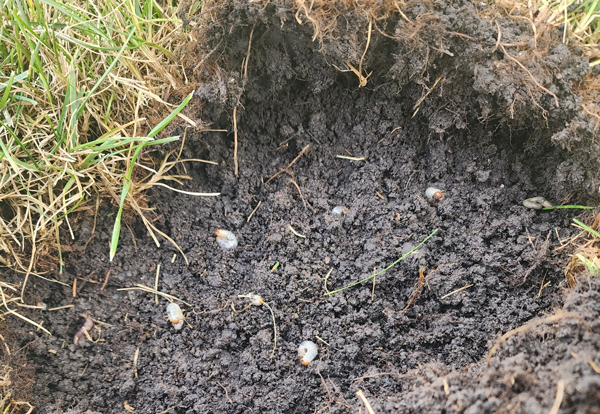 If you’ve noticed mysterious brown patches or spongy turf, you’re likely asking, how do grubs damage lawns? These small, C-shaped beetle larvae are one of the most destructive lawn pests, feeding voraciously on the root system just beneath the surface. Consequently, this hidden feeding activity severs the turf’s connection to vital water and nutrients, leading to widespread and often rapid decline of your lawn’s health. Understanding the mechanisms of this damage is the first step toward effective treatment and prevention.
What Are Lawn Grubs and Where Do They Come From?
Lawn grubs are not a specific type of insect; rather, they are the larval stage of various scarab beetles, such as Japanese beetles, June bugs (May beetles), and chafers. Adult beetles lay their eggs in the soil during the summer. After hatching, these larvae immediately begin their destructive life cycle.
Importantly, the grubs spend nearly ten months of the year underground, feeding and growing. Their primary food source is the root system of your turfgrass. As a result, a small, unnoticed population can quickly escalate into a major infestation that causes significant, visible damage by the time it’s discovered.
The Primary Ways How Do Grubs Damage Lawns
The destruction caused by grubs is multifaceted, affecting your lawn both directly and indirectly. The most significant issue stems from their feeding habits, but the consequences don’t stop there. Understanding the full scope of the problem is crucial for a proper response.
1. Root Devastation: The Hidden Damage
The most direct way grubs harm your lawn is by eating the grassroots. They chew through the delicate root fibers that are essential for absorbing water and nutrients from the soil. Initially, this damage is invisible, but as the grub population grows, the turf’s root system becomes severely compromised. Furthermore, the grass can no longer sustain itself, leading to wilting, yellowing, and eventual death, even with adequate watering.
2. Spongy Turf and Easy Uprooting
As grubs sever the roots, the top layer of turf becomes detached from the soil beneath it. This creates a distinct spongy or bouncy feeling when you walk across the affected areas. In severe cases, you can literally roll the dead turf back like a carpet, revealing the soil and the C-shaped grubs feeding below. This is a classic and definitive sign of a heavy grub infestation.
3. Secondary Damage from Predators
A grub-infested lawn is an all-you-can-eat buffet for local wildlife. Animals like raccoons, skunks, armadillos, and birds such as crows are natural predators of grubs. Therefore, you may notice sections of your lawn being dug up or torn apart, especially at night. This secondary damage, caused by animals hunting for grubs, can often be more visually disruptive than the grub damage itself.
How Can You Tell If Grubs Are the Problem?
Since grub damage can resemble other issues like drought stress or fungal diseases, a proper diagnosis is key. Besides the spongy feel and predator activity, there are other signs to watch for. For example, you might see an increase in beetle activity in early summer, signaling that eggs are being laid.
To be certain, you can perform a simple tug test. Grab a handful of the affected grass and pull. If it lifts up easily with no roots attached, grubs are the likely culprit. For a definitive answer on confirming a grub infestation, you can cut a one-square-foot section of sod in a damaged area and peel it back. Counting more than five to ten grubs in that small area typically indicates a problem that requires treatment.
The Grub Damage Timeline: A Seasonal Breakdown
Grub activity follows a predictable annual cycle. Knowing this timeline helps you understand when your lawn is most vulnerable and when treatments are most effective. The answer to how do grubs damage lawns often depends on the time of year.
- Late Spring/Early Summer: Grubs that overwintered complete their development and emerge as adult beetles. These beetles mate, and the females lay eggs in the soil.
- Late Summer/Early Fall: The newly hatched grubs begin feeding aggressively on grassroots. This is when the most severe and visible damage occurs. The turf starts to show large, irregular brown patches.
- Late Fall: As soil temperatures drop, the mature grubs burrow deeper into the soil to survive the winter in a dormant state.
- Early Spring: As the ground thaws, the grubs move back toward the surface for a final feeding period before they pupate and transform into beetles, starting the cycle anew.
Preventing and Managing Grub Infestations
Managing grubs involves both preventative and curative strategies. Preventative treatments are applied before or shortly after eggs hatch and are highly effective at stopping an infestation before it starts. Curative treatments, on the other hand, are used to kill existing grubs once damage is already visible.
Additionally, maintaining a healthy, dense lawn is a great defense. Strong, deep-rooted grass is more resilient to grub feeding. Practices like proper lawn aeration, correct watering, and a balanced fertilization schedule can make your lawn less susceptible. For detailed information on control methods, authoritative sources like the Penn State Extension offer excellent guidance on integrated pest management.
Ultimately, a professional lawn care provider can offer the most effective solutions, including comprehensive grub control programs tailored to your lawn’s specific needs and the grub life cycle in your region.
Key Takeaways for Protecting Your Lawn
To summarize, the question of how do grubs damage lawns is answered in three parts: they eat the roots, which detaches the turf from the soil, and they attract destructive predators. Vigilance is your best tool. Regularly inspect your lawn for spongy areas and unexplained browning, especially in the late summer and early fall.
Finally, remember that a proactive approach is far more effective and less costly than repairing a lawn that has been destroyed. If you suspect you have a grub problem, acting quickly can save your turf from extensive damage. A professional assessment can provide peace of mind and a clear action plan. Protect your investment and ensure your lawn stays healthy and green. Get a free quote for professional grub control today!
Related Posts