Wondering when should mosquito treatments begin in spring? Timing is key for a pest-free yard. Learn the ideal temperature and conditions to start. Conta...
Best Time of Year to Start a Lawn Fertilization Program in Wisconsin
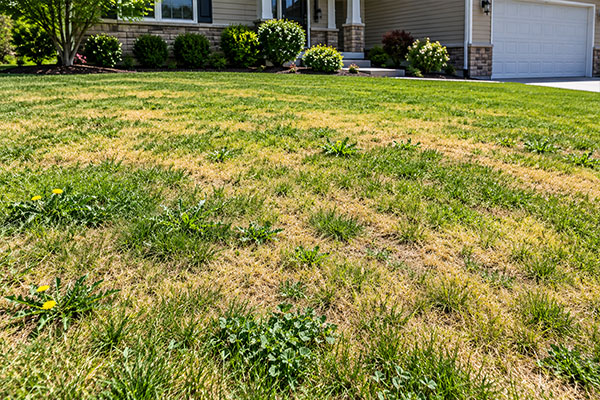 We get asked one question more than almost any other once the snow starts melting: when should we actually start feeding our lawn again? It is a fair question, and honestly, the answer matters more than most homeowners realize. Wisconsin has a short growing season sandwiched between long winters, and that window shapes almost everything about how a lawn should be fed, treated, and maintained throughout the year. Starting too early or too late can waste money, stress the grass, or leave it vulnerable to weeds and disease. At ALCS Lawncare, we work with Wisconsin lawns every season and have seen how much of a difference correct timing makes.
We have spent years working with lawns across Wisconsin, and we have seen firsthand what happens when fertilization timing is off. Grass that greens up too fast in a late frost. Root systems that never get the nutrients they need before summer heat sets in. Weeds that take hold because the turf was not strong enough to compete. In this post, we want to walk through when we typically recommend starting a fertilization program here in Wisconsin, why that timing matters, and what a full season of lawn nutrition actually looks like.
Why Timing Matters More in Wisconsin Than in Other States
Wisconsin sits in a transition zone for turf grass, which means most lawns here are made up of cool-season grasses like Kentucky bluegrass, perennial ryegrass, and fine fescue. These grass types have very specific growth patterns. They grow actively in spring and fall, slow down or go semi-dormant during the peak heat of summer, and shut down completely once the ground freezes.
Because of this growth cycle, feeding the lawn at the wrong time does not just waste fertilizer. It can actually work against the grass. Applying nitrogen-heavy fertilizer too early in spring, before the soil has warmed and root activity has picked back up, often pushes blade growth without supporting the root system underneath. That leaves the lawn looking green on the surface while staying weak underneath, which is exactly the kind of lawn that struggles once summer stress arrives.
When We Recommend Starting Fertilization in Wisconsin
For most of Wisconsin, we start our early season applications between mid-April and early May, depending on how the winter played out and how quickly soil temperatures rise that particular year. We are watching for a few specific signs before the first application goes down.
- Soil temperature consistently reaching the mid-50s Fahrenheit
- Grass showing active green growth rather than just breaking dormancy
- No forecasted hard frosts in the following one to two weeks
- Ground firm enough to walk on without leaving deep footprints
We do not fertilize based purely on the calendar date because Wisconsin springs can vary quite a bit from one year to the next. A warm March followed by a cool April changes the picture, and we adjust our scheduling around actual soil and weather conditions rather than a fixed date every single year.
Building a Spring Lawn Feeding Schedule
Once that first application is timed correctly, the rest of the spring lawn feeding schedule tends to fall into a fairly predictable rhythm. Here is how we generally structure it for lawns across the state.
- Early spring application in mid to late April, focused on balanced nutrition to support root development as the grass wakes up
- Pre-emergent weed control layered in around the same window to stop crabgrass and other summer annual weeds before they germinate
- Late spring follow-up in late May to early June, which reinforces color and density heading into the warmer months
- Transition to a lighter summer maintenance approach that avoids overfeeding during heat stress
This structure gives the lawn what it needs without overloading it. A common mistake we see is homeowners applying too much fertilizer too quickly in spring, thinking more product means faster results. In reality, cool-season grass in Wisconsin responds better to steady, well-timed feeding than to a single heavy application.
What a Full Wisconsin Lawn Care Calendar Looks Like
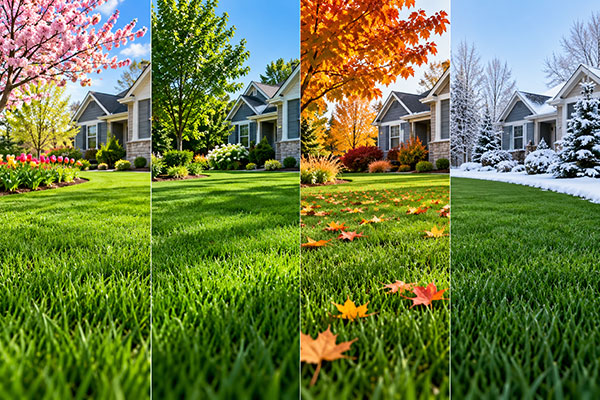
Spring is only one part of the picture. To really understand when to start fertilization, it helps to see how that timing fits into the rest of the year. A well-built Wisconsin lawn care calendar generally breaks down like this.
Spring, April through early June, is when we focus on root development, early weed prevention, and green-up. Summer, June through August, calls for a lighter touch since Wisconsin heat and occasional dry stretches can put cool-season grass under pressure. We often reduce nitrogen during this stretch and instead focus on watering practices and spot treatments as needed. Fall, September through November, is actually the most important feeding window of the entire year for cool-season lawns. This is when root systems rebuild before winter, and a strong fall application often does more for long-term lawn health than anything applied in spring.
We also recommend pairing fertilization with aeration and overseeding in early fall, since aerated soil allows nutrients and water to reach the root zone far more effectively. A lawn that gets fed but never aerated often ends up with compacted soil that limits how much good the fertilizer can actually do.
Signs Your Lawn Is Ready for Its First Feeding
Beyond soil temperature, there are a few visual cues we look for on a property before recommending the first fertilization visit of the season.
- The lawn has fully transitioned out of its winter brown or tan color
- New blade growth is visible, and the grass has started to need mowing
- Standing water from snowmelt has drained, and the soil is workable
- Any winter damage, such as snow mold or vole trails, has started to fade on its own
If a lawn is still patchy or showing heavy winter damage, we sometimes hold off on fertilization and address those issues first, since feeding damaged turf before it has a chance to recover on its own does not usually speed things up.
Common Timing Mistakes We See Across Wisconsin Lawns
Over the years, a few patterns keep showing up on properties that struggle more than they should during the growing season.
Feeding too early, often triggered by an unseasonably warm week in March, tends to push growth before the root system is ready to support it. Skipping the early season pre-emergent window is another common issue, since Wisconsin summers bring crabgrass pressure that is much harder to manage once it has already germinated. Overlooking soil health is a third pattern we see often. Fertilizer alone cannot fix compacted or nutrient-poor soil, which is one reason we frequently pair feeding programs with services like core aeration to open up the soil structure first.
We also see homeowners skip grub prevention in spring, only to deal with brown patches and root damage by late summer. Since grub activity often ties directly into overall turf health, we typically discuss grub control as part of the broader seasonal conversation, especially on properties that have had grub issues in past years.
Why Seasonal Turf Nutrition Is a Year-Round Conversation
It is easy to think of fertilization as a single spring task, but seasonal turf nutrition really works best as an ongoing plan rather than a one-time treatment. Each application throughout the year builds on the one before it. Spring feeding supports early growth. Summer adjustments protect the lawn from heat stress. Fall feeding rebuilds roots for winter. Skipping or mistiming any one of these stages tends to show up as a weaker lawn the following season, even if the other applications were done correctly.
This is part of why we built our fertilization program around Wisconsin-specific timing rather than a generic national schedule. Local soil conditions, freeze-thaw cycles, and grass species here all behave differently than they would in warmer states, and a program that does not account for that ends up working against the lawn instead of for it.
Getting Started With the Right Timing for Your Property
Every lawn is a little different, even within the same neighborhood. Sun exposure, soil type, drainage, and past treatment history all play a role in when the first application should actually happen. Rather than guessing based on a general date, we walk each property individually before setting a schedule.
If you have been wondering when to start feeding your lawn this year, or if last season’s growth felt inconsistent, we would be glad to take a look at your property and put together a timing plan that fits your specific yard. You can browse some of our past work on our recent projects page, or reach out to our team through our contact page to get a schedule started for this season.
Frequently Asked Questions
1. When should I start fertilizing my lawn in Wisconsin?
Most Wisconsin lawns are ready for their first fertilization application between mid-April and early May, once soil temperatures consistently reach the mid 50s and active green growth has started.
2. Is it possible to fertilize too early in spring?
Yes, fertilizing before the soil has warmed and roots are active can push blade growth without supporting root development, which often leaves the lawn weaker heading into summer.
3. Do I need to fertilize during the summer months?
Summer feeding is usually lighter than spring or fall, since heat stress on cool-season grass means heavy nitrogen applications can do more harm than good during peak summer weeks.
4. Why is fall fertilization considered so important?
Fall is when cool-season grass rebuilds its root system before winter dormancy, which makes it one of the most impactful feeding windows in the entire Wisconsin lawn care calendar.
5. Should aeration be done alongside fertilization?
Pairing fertilization with aeration, especially in early fall, helps nutrients and water reach the root zone more effectively, particularly in lawns dealing with compacted soil.
Related Posts