Signing up for lawn care should feel simple. You want a healthy yard, a clear…
What Happens During Professional Overseeding?
 A lush, dense lawn is the goal of many homeowners, but achieving it can be challenging with thinning turf, bare patches, and weed competition. If you’re wondering what happens during professional overseeding?, you’re asking the right question to transform your yard. This service is a systematic process designed to introduce new, high-quality grass seed into your existing lawn, resulting in a thicker, healthier, and more resilient turf. Consequently, understanding the professional approach reveals why it delivers superior results compared to a simple DIY broadcast of seeds.
The Core Steps: A Look at What Happens During Professional Overseeding
A professional overseeding service is more than just scattering seed. It involves a series of crucial steps that prepare the soil, ensure optimal seed-to-soil contact, and create the ideal environment for germination and growth. Each stage is performed with precision and expertise for maximum effectiveness.
Step 1: Thorough Lawn Assessment
First, a lawn care expert will evaluate your property. This assessment identifies the current grass types, soil conditions, thatch levels, and problem areas such as bare spots or disease. Furthermore, this initial analysis helps determine the best type of grass seed to use—one that will thrive in your specific light conditions, soil, and climate. This tailored approach is a key differentiator of professional services.
Step 2: Mowing and Dethatching
Next, the lawn is mowed shorter than usual. This allows more sunlight to reach the new seeds and reduces competition from the existing grass. Following the mow, dethatching may be performed if the layer of dead grass and organic matter at the soil surface is too thick. Importantly, reducing thatch is critical because it can prevent seeds from reaching the soil and germinating properly.
Step 3: Core Aeration
Core aeration is arguably the most vital part of the preparation process. Professionals use a machine to pull small plugs of soil from the lawn, which accomplishes several goals. Primarily, it relieves soil compaction, allowing air, water, and nutrients to penetrate deeper into the root zone. These new channels also provide the perfect pockets for grass seed to fall into, ensuring excellent seed-to-soil contact, which is essential for germination. This process dramatically improves root growth for both new and existing grass.
Step 4: Precise Seed Application
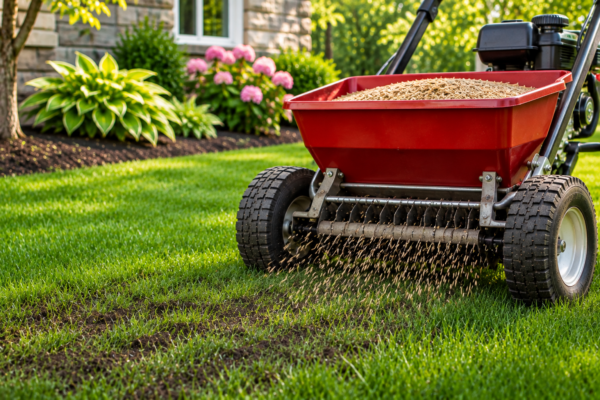
After aeration, the high-quality grass seed is applied. Professionals use calibrated spreaders, often slit seeders, to ensure even and accurate distribution across the entire lawn. A slit seeder is particularly effective as it cuts small grooves into the soil and deposits the seed directly into them. This method protects the seed and further enhances the germination rate. The amount and type of seed are carefully selected based on the initial assessment for optimal results.
Why is Professional Overseeding More Effective Than DIY?
While overseeding might seem like a straightforward DIY project, the professional approach offers significant advantages. The difference in results often comes down to three key factors: equipment, materials, and expertise.
- Professional-Grade Equipment: Homeowner-grade aerators and spreaders are less powerful and effective than the commercial equipment used by professionals. For example, a professional core aerator pulls deeper, more substantial plugs, leading to better soil decompaction.
- High-Quality Seed: Lawn care companies have access to premium, certified grass seed varieties that are often unavailable in retail stores. These seeds typically have higher germination rates, better disease resistance, and are guaranteed to be free of weed seeds.
- Expertise and Timing: Professionals understand the nuances of lawn aeration and overseeding. They know the perfect time to perform the service based on your region and grass type, ensuring the new grass has ample time to establish before facing the stress of summer heat or winter cold.
As a result, investing in a professional service saves you time and greatly increases the likelihood of achieving a thick, uniform lawn.
Preparing Your Lawn for an Overseeding Service
To get the most out of your professional overseeding service, a little preparation can go a long way. Before the technicians arrive, it’s a good idea to mark any in-ground sprinkler heads or other hidden objects in your lawn to prevent damage from the aeration equipment. Additionally, ensuring the soil is moist but not saturated can make the aeration process more effective. Your lawn care provider will give you specific instructions, but these small steps can help the process go smoothly.
Post-Overseeding Care: Ensuring Success
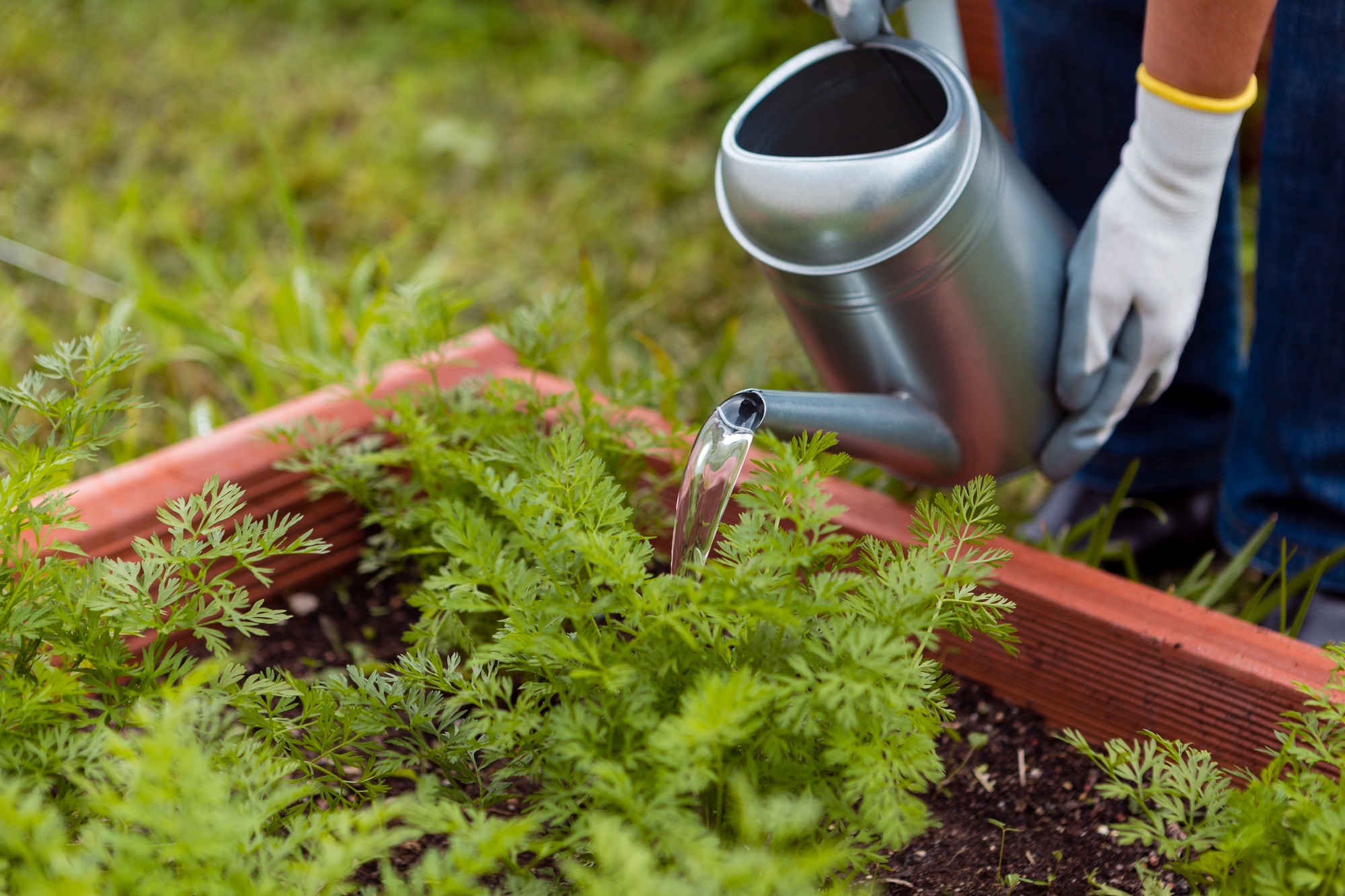
The work isn’t over once the seed is down. In fact, proper aftercare is critical to the success of the entire project. The most important task is watering. The new seed must be kept consistently moist until it germinates and begins to mature.
Here are some general guidelines:
- Watering: Water the lawn lightly one to two times per day for the first two weeks. The goal is to keep the top inch of soil damp, not waterlogged.
- Mowing: You can resume mowing once the new grass seedlings have reached a height of about 3-4 inches. Make sure your mower blade is sharp to avoid pulling out the new plants.
- Fertilization: A starter fertilizer is often applied during the overseeding service. This special blend is high in phosphorus to promote strong root development.
By following a consistent care regimen, you provide the new grass with everything it needs to establish itself and contribute to a denser turf. Understanding what happens during professional overseeding? includes knowing your role in the follow-up care, which is essential for achieving the goal of being able to keep your lawn thick year-round. For more detailed information on lawn care, consulting resources from agricultural extensions, like this guide on lawn renovation from UMass Amherst, can be very helpful.
Final Thoughts on Professional Overseeding
Ultimately, professional overseeding is a comprehensive process that rejuvenates a tired, thinning lawn. From the detailed assessment and soil preparation with core aeration to the application of superior-quality seed, every step is designed to maximize germination and create a durable, beautiful turf. While it requires an investment, the long-term results—a thicker, greener, and healthier lawn that is more resistant to weeds and stress—are well worth it. If you’re ready to transform your lawn, it’s time to consider professional help. For a customized evaluation of your lawn’s needs, you can request a free quote from our team today.
Related Posts