Signing up for lawn care should feel simple. You want a healthy yard, a clear…
When Should I Fertilize In The Spring?
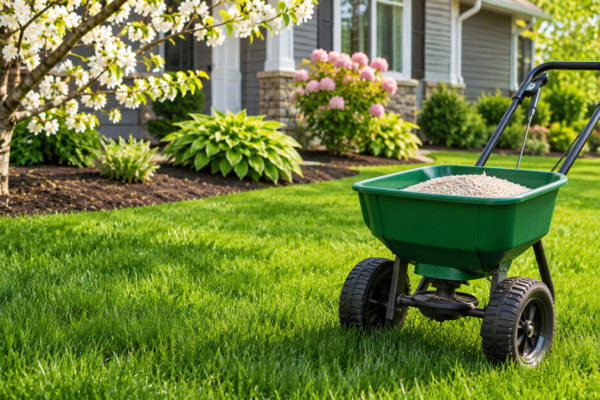 The question of when should I fertilize in the spring? is one of the most critical for achieving a lush, green lawn that lasts all season. Applying fertilizer at the right moment provides your turf with the essential nutrients it needs to recover from winter dormancy and build strength for the summer heat. Conversely, getting the timing wrong can waste money, feed weeds, and even harm your lawn. This guide will walk you through the key factors to determine the perfect time for your first feeding of the year.
Why Spring Fertilization Timing is So Important
As temperatures rise, your lawn begins to wake up. Its first priority is to repair and expand its root system, which was dormant during the cold months. Applying fertilizer too early, when the ground is still cold, means the grass roots aren’t active enough to absorb the nutrients. As a result, the fertilizer can be washed away by spring rains or, even worse, feed early-sprouting weeds like crabgrass.
However, waiting too long can also be problematic. If you fertilize after the initial surge of top growth, you might encourage weak, leafy blades at the expense of deep, resilient roots. Therefore, the goal is to apply nutrients just as the roots become active and are ready to draw them from the soil. This timing ensures the energy goes into building a strong foundation for the entire growing season.
The #1 Factor: Soil Temperature
Forget circling a date on the calendar. The single most reliable indicator for spring fertilization is soil temperature. For cool-season grasses, such as Kentucky bluegrass, fescues, and ryegrass (common in northern states like Wisconsin), the ideal time to fertilize is when soil temperatures consistently reach 55°F at a depth of a few inches. At this temperature, grass roots begin to grow actively and can efficiently absorb nutrients.
You can measure this yourself with a simple soil thermometer. For a reliable reading, check the temperature for a few consecutive days in the mid-morning. Importantly, you should wait until the soil is consistently at or above this temperature, not just during a brief warm spell. According to turfgrass experts at university extensions, this 55°F mark is the scientific trigger for optimal nutrient uptake. For more detailed information on lawn care science, you can review resources from institutions like the University of Minnesota Extension.
Key Factors for Answering: When Should I Fertilize in the Spring?
While soil temperature is the primary guide, a few other elements help you pinpoint the perfect time. The answer to when should I fertilize in the spring? depends on a combination of your specific lawn and local environment.
Your Grass Type
Identifying your grass is crucial. Lawns are generally categorized as either cool-season or warm-season grasses, and their fertilization schedules are opposite.
- Cool-Season Grasses: (e.g., Kentucky Bluegrass, Fescue, Ryegrass) Thrive in regions with cold winters and hot summers. They should be fertilized in the spring when soil hits 55°F and again more heavily in the fall.
- Warm-Season Grasses: (e.g., Bermuda, Zoysia, St. Augustine) Grow best in the southern U.S. They should be fertilized later in the spring, once they have fully greened up and are actively growing, typically when soil temperatures are closer to 65-70°F.
Understanding the different types of lawn fertilizer can also help you choose a product that best matches your grass’s needs for the season.
Your Region’s Climate
Your geographic location plays a significant role. For example, a homeowner in Milwaukee will have a different fertilization start date than someone in southern Illinois. The USDA Plant Hardiness Zone Map is an excellent tool for understanding your local climate patterns and average frost dates, which can help you anticipate when your soil will reach the target temperature.
Recent Weather Patterns
Finally, pay attention to the short-term forecast. An unseasonably warm March might tempt you to fertilize early, but a sudden cold snap could halt root activity and leave the nutrients sitting unused. It’s always better to wait until you are confident that consistent spring weather has arrived and the threat of a hard frost has passed.
What Happens If I Fertilize Too Early or Too Late?
Timing mistakes can lead to a variety of lawn problems. Here’s a quick breakdown of the potential consequences:
- Fertilizing Too Early: This can stimulate fast but weak top growth before the roots are ready, making the grass more susceptible to disease. Furthermore, it provides a feast for weeds like crabgrass and can lead to nutrient runoff into local waterways.
- Fertilizing Too Late: Applying a heavy dose of nitrogen just before the summer heat arrives can stress your cool-season lawn. It encourages tender new growth that is vulnerable to heat, drought, and fungal diseases.
Proper timing is not just about feeding your grass; it’s about setting it up for success. For instance, combining fertilization with other services is a powerful strategy, as aeration can improve fertilizer results by allowing nutrients to reach the root zone more effectively.
Key Takeaways for Your Spring Fertilization Plan
To summarize, finding the right time to fertilize is a simple process if you follow the science. Instead of guessing, use soil temperature as your primary guide. For most homeowners with cool-season lawns, this means applying a balanced, slow-release fertilizer when the soil is consistently 55°F.
Moreover, remember the significant benefits of a consistent fertilization program throughout the year, not just in the spring. A well-fed lawn is better equipped to handle stress from heat, drought, and foot traffic. If you are still asking yourself, when should I fertilize in the spring?, and want to ensure it’s done perfectly, consider professional help. A tailored professional fertilization program takes the guesswork out of lawn care and guarantees your turf gets what it needs, exactly when it needs it. Contact us today for a free quote and a greener lawn tomorrow.
Related Posts